News / Reviews / Features / New Shows + Transfers
Nine Night at Kiln Theatre Review: A riot of laughter, love, grief and Jamaican family life
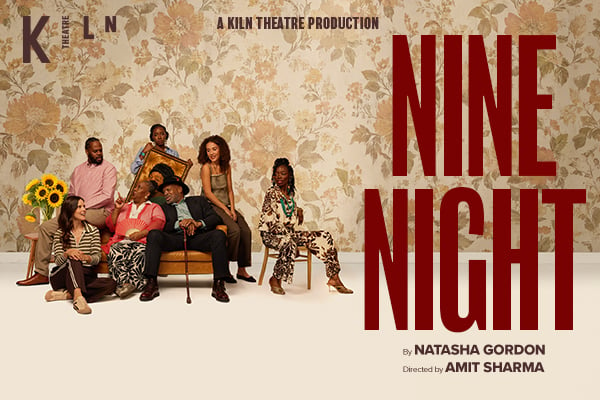
I went into Nine Night at Kiln Theatre already hugely excited. With a longstanding love of Jamaican culture, I was more than ready to be swept away in a sea of patois, tradition, superstition and larger-than-life characters. It absolutely delivered. Natasha Gordon’s Olivier-nominated play is a brilliantly funny, moving and gloriously chaotic celebration of family, and I was completely invested from beginning to end. Centred around the Nine Night wake following the death of Gloria, the play brings together a family whose grief is complicated by decades of unresolved resentment, old wounds, competing loyalties and secrets that refuse to stay buried. What unfolds is a wonderfully combustible mix of mourning, mayhem and laughter, as the family attempts to honour Gloria while navigating the fact that, well, they don't particularly agree on anything. Auntie Maggie is an absolute legend. A force of nature, armed with bush remedies, religious conviction and an opinion on absolutely everything, she is responsible for some of the production's biggest laughs. Fiercely protective of Jamaican traditions and determined that her cousin Gloria gets the send-off she deserves, she is equally capable of declaring "we don't burn our people" when cremation is mentioned, admonishing everyone for taking the Lord's name in vain because "He busy enough", and insisting a nine-month-old baby is practically begging for chicken. But perhaps my favourite moment comes when, after dutifully keeping the Nine Night celebrations going, she announces she's got to get home to watch EastEnders as there’s "a lot a gwaan down at the Old Vic tonight!" and it's such a wonderfully unexpected moment, capturing the play's brilliant balancing act between proudly holding onto cultural traditions while embracing the everyday rhythms of British life. But Maggie's comedy comes with a delicious undercurrent of tension, particularly where her husband Uncle Vince and the now-deceased Gloria are concerned. There's a suggestion of history between the pair that Maggie is clearly not oblivious to, and her barbed remarks about Vince's desire to write a poem for Gloria's funeral – "Okay, Mr Shakespeare" – feel deliciously loaded. The same goes for her commentary on Gloria's final send-off, from the horse and carriage to the state of her weave, lest she go frightening Jesus. There's something wonderfully bitchy, playful and pointed about Maggie's insistence on having the last word, as though even in death Gloria is still managing to get under her skin. Llewella Gideon is an absolute delight, giving Maggie all the comic timing and character she deserves, while hinting at the hurt, jealousy and history beneath the surface. But beneath the hilarity, this is a family with plenty to work through. The wake becomes a pressure cooker, forcing long-buried tensions to the surface. Lorraine has sacrificed so much caring for her mother, while her half-sister Trudy's arrival from Jamaica brings the pain of being left behind decades earlier into sharp focus. Her resentment is palpable, and the play explores the complicated legacy of migration, separation and the hurt that can be carried across generations. Gloria may be gone, but her absence fills every corner of the jazzily-wallpapered room.
21 Nov, 2026 | By Hay Brunsdon